
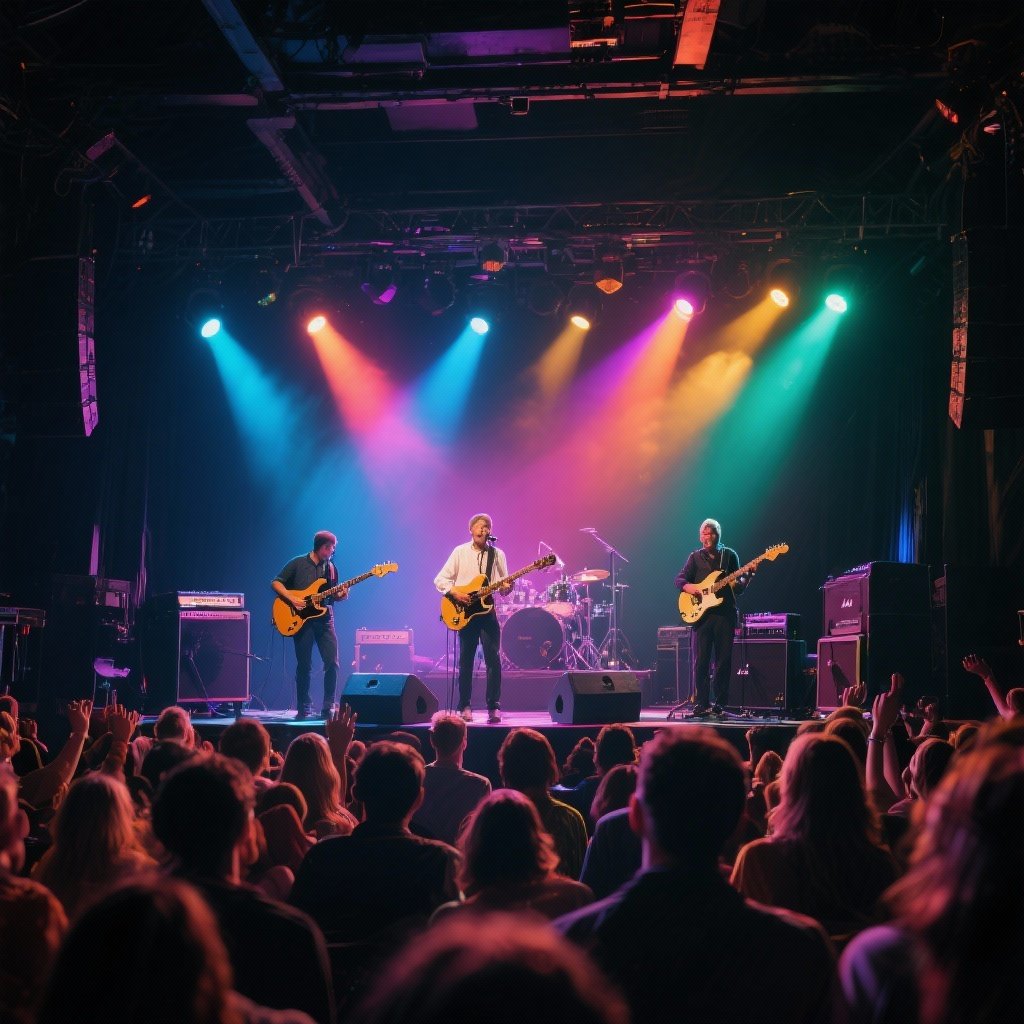
Live music and performance have a unique power that recorded songs or videos often cannot fully replicate. When people gather in the same space to experience music, theatre, or performance art, something emotional and deeply human happens. The energy, the shared atmosphere, and the raw expression of artists create connections that stay in our memories for years.
This article explores why live music and performance feel so powerful, how they affect our emotions, and why humans continue to seek these experiences in the digital age.
The Unique Energy of Live Performances
One of the biggest reasons live performances feel special is energy exchange. Performers feed off the audience’s reactions, and the audience responds to the performer’s passion. This two-way flow creates a feeling of presence that cannot be recreated through screens.
Every live show is slightly different. A singer’s voice may crack with emotion, a guitarist may extend a solo, or an actor may deliver a line with unexpected intensity. These moments feel authentic, making the experience personal and unforgettable.
Emotional Impact Through Sound and Atmosphere
Music has a direct connection to our emotions. In live settings, sound waves are felt physically, not just heard. Deep bass vibrations, powerful vocals, and synchronized rhythms can cause chills, tears, or sudden joy.
The atmosphere—lighting, crowd movement, stage design, and silence between notes—adds emotional depth. When thousands of people hold their breath at the same moment, it creates a sense of unity that strengthens emotional response.
The Power of Shared Experience
Live performances bring people together. Strangers sing the same lyrics, clap in rhythm, and react at the same time. This shared experience creates a collective emotional bond, even among people who have never met before.
Psychologically, shared emotional moments increase feelings of belonging. This is why concerts, festivals, and theatre performances often leave people feeling connected, understood, and less alone.
Storytelling Through Performance
Live performances often tell stories—through lyrics, movement, dialogue, or visual expression. These stories can reflect love, loss, hope, struggle, or celebration. When audiences relate these stories to their own lives, emotional connections become even stronger.
In theatre and live acting, facial expressions and body language add layers of meaning. In music, tone and tempo communicate emotions that words sometimes cannot express.
Artist Vulnerability and Authentic Expression
When artists perform live, they expose their real selves. Nervousness, excitement, and emotion are visible. This vulnerability builds trust between the performer and the audience.
Seeing an artist express genuine emotion—whether happiness, sadness, or passion—allows the audience to feel safe expressing their own emotions. This emotional honesty is a key reason live performances feel deeply moving.
Memory and Emotional Imprinting
Live music creates strong emotional memories. A song heard live during a meaningful moment can instantly bring back feelings years later. The brain links music with emotions and personal experiences, making live performances powerful memory triggers.
People often remember where they were, who they were with, and how they felt during a live show more clearly than many everyday events.
Why Live Performances Still Matter in the Digital Age
Despite streaming platforms and social media, live performances remain essential. Digital content offers convenience, but live events offer connection, presence, and emotional depth.
In a world full of screens, live performances remind us of our humanity—our need to gather, feel, and experience moments together in real time.
Conclusion
Live music and performance create powerful emotional connections because they combine sound, presence, storytelling, and shared human experience. They allow us to feel deeply, connect with others, and create lasting memories.
Whether it’s a small acoustic show or a massive concert, live performances continue to touch hearts in ways that no recording ever can.
Frequently Asked Questions (FAQs)
Why does live music feel more emotional than recorded music?
Live music includes real-time energy, physical sound vibrations, and audience interaction, which intensify emotional responses.
Can live performances improve mental well-being?
Yes, live performances can reduce stress, boost mood, and create feelings of connection and happiness.
Why do people feel connected to strangers at concerts?
Shared emotional experiences, synchronized movement, and collective reactions create a sense of unity and belonging.
Do introverts also benefit from live performances?
Absolutely. Many introverts enjoy the emotional immersion and connection without needing direct interaction.
Are live performances important for artists as well?
Yes, live performances allow artists to express authenticity, connect emotionally with audiences, and grow creatively.